Understanding Machined Stainless Steel Parts
In the world of manufacturing and engineering, machined stainless steel parts hold a crucial position due to their versatility and durability. These components are engineered to specific dimensions and tolerances, making them essential for various applications across multiple industries. With the increasing demand for precision and reliability, understanding the intricacies of machined stainless steel parts has never been more important.
What Are Machined Stainless Steel Parts?
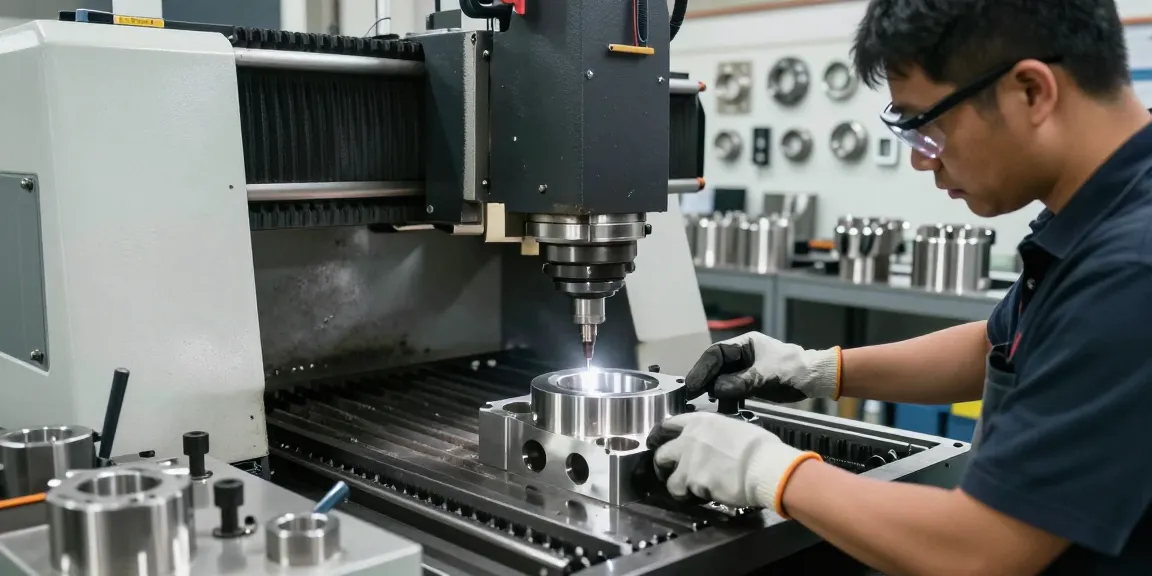
Machined stainless steel parts are components manufactured by removing material from solid blocks of stainless steel through various machining processes. This results in parts that exhibit high precision, complex geometries, and tight tolerance levels, which are critical in applications such as aerospace, medical devices, and automotive manufacturing. The machining process can vary from CNC milling to turning, drilling, and grinding, depending on the design requirements.
Benefits of Stainless Steel in Machining
Stainless steel is favored in machining for several reasons. It offers excellent strength-to-weight ratio, making it ideal for components that must withstand stress without adding unnecessary weight. Additionally, stainless steel provides outstanding corrosion resistance, which is essential for parts exposed to harsh environments. Furthermore, its good machinability allows for the use of various cutting tools and techniques, facilitating the creation of complex shapes and finishes.
Common Uses in Various Industries
Machined stainless steel parts are widely used in various sectors, including:
- Aerospace: Components such as brackets and fittings that require high strength and corrosion resistance.
- Medical Devices: Surgical instruments, implants, and diagnostic equipment where precision and hygiene are paramount.
- Automotive: Engine parts, fuel systems, and structural components that need to endure mechanical stress and environmental conditions.
- Food Processing: Equipment parts that must comply with strict sanitation standards to prevent contamination.
Choosing the Right Stainless Steel Alloy
Selecting the appropriate stainless steel alloy is vital for optimizing the performance of machined parts. When exploring options, machined stainless steel parts can be tailored to meet specific requirements regarding strength, corrosion resistance, and temperature tolerance.
Comparing 304 vs. 316 Stainless Steel
The two most commonly used stainless steel alloys in machining are 304 and 316. Type 304 is often considered the standard alloy due to its excellent all-around properties, including good corrosion resistance and formability. In contrast, Type 316 contains molybdenum, which enhances its corrosion resistance, particularly against chlorides and marine environments. Thus, the choice between these alloys depends heavily on the particular application and environment.
Factors Influencing Alloy Selection
Several factors influence the selection of stainless steel alloys, including:
- Corrosion Resistance: Parts exposed to corrosive elements need higher alloy content.
- Strength Requirements: Applications needing high strength may require different compositions.
- Cost Considerations: Higher alloy materials tend to be more expensive; thus, cost must be balanced against performance needs.
- Fabrication Methods: The chosen machining process may also dictate the preferable alloy.
Specific Applications and Their Requirements
Different industries have unique requirements that influence alloy selection:
- Aerospace: Requires lightweight yet strong materials, often favoring alloys like 6061 aluminum or Ti-6Al-4V titanium.
- Medical: Stainless steel parts must meet strict FDA regulations and often use 316L for its superior corrosion resistance.
- Automotive: Emphasis on wear resistance and strength, sometimes opting for specialty alloys that can withstand high temperatures.
Machining Techniques for Stainless Steel Parts
Various machining techniques are employed to produce stainless steel parts, each with its advantages and ideal applications. Understanding these processes is essential for achieving the desired results in quality and precision.
CNC Machining Processes Explained
CNC (Computer Numerical Control) machining is a prevalent method for producing machined stainless steel parts. This process utilizes pre-programmed computer software to dictate the movement of factory tools and machinery. CNC machining is widely recognized for its ability to produce parts consistently and accurately, which is critical for applications demanding high precision. Common CNC processes for stainless steel include turning, milling, and electrical discharge machining (EDM).
Best Practices for Precision Machining
To ensure high-quality machined parts, several best practices should be followed:
- Tool Selection: Use high-quality, sharp cutting tools specific to stainless steel.
- Speed and Feed Rate: Adjust cutting speeds and feed rates to optimize tool life and part quality.
- Coolant Use: Implement proper coolant to reduce heat and improve surface finish.
- Regular Maintenance: Keep machines in excellent condition to ensure consistent performance.
Tools and Equipment for Effective Machining
Effective machining of stainless steel requires specialized tools and equipment, including:
- CNC Mills: For detailed milling processes.
- Lathe Machines: Essential for turning operations.
- Drill Presses: For precision drilling tasks.
- EDM Machines: Useful for intricate shapes and contours.
Quality Control in Machined Parts Production
Quality control is a critical aspect of manufacturing machined stainless steel parts. It ensures that each component meets the required specifications and standards, thus preventing costly errors and maintaining customer satisfaction.
Measuring Precision and Tolerance Levels
Precision in machining is measured through various methods, including the use of calipers, micrometers, and coordinate measuring machines (CMM). Tolerance levels for machined parts are typically set based on the specific requirements of the end application, and strict adherence to these tolerances is essential for performance.
Testing Methods for Stainless Steel Parts
Testing is crucial to confirm the quality and integrity of machined parts. Common testing methods include:
- Material Inspection: To check for composition and grade.
- Dimensional Inspection: To verify that parts meet size and tolerance specifications.
- Functional Testing: To ensure that the parts perform as intended under actual working conditions.
Importance of Certification and Standards
Manufacturers of machined stainless steel parts must adhere to various industry standards and certifications, such as ISO 9001, to ensure quality management systems. Compliance with these standards not only enhances product quality but also builds customer trust.
The Future of Machined Stainless Steel Parts in 2026
Looking forward, the production and applications of machined stainless steel parts are expected to evolve significantly due to advancements in technology and changing market demands.
Emerging Technologies in Machining
The future of machining is increasingly dependent on automation and artificial intelligence. Advancements such as cloud-based software for design and simulation, along with machine learning algorithms for process optimization, will enhance efficiency and reduce waste. Additionally, the integration of additive manufacturing (3D printing) with traditional machining methods is likely to reshape production methodologies.
Sustainability Considerations in Manufacturing
As industries strive for sustainability, there will be an emphasis on eco-friendly machining practices. This includes optimizing resource use, reducing waste, and utilizing recyclable materials wherever possible. Manufacturers will also focus on developing processes that minimize energy consumption, contributing to less environmental impact.
Market Trends and Industry Predictions
The demand for machined stainless steel parts is projected to grow across various sectors, driven by technological advancements and increasing industrialization. Industries such as renewable energy, automotive, and aerospace are expected to be at the forefront, pushing for innovations in materials and machining techniques to enhance performance and efficiency.
How Can I Ensure High Quality in Machined Parts?
Ensuring high quality involves rigorous testing, adherence to industry standards, and continuous improvement practices. Implementing robust quality management systems and regularly reviewing manufacturing processes will help maintain high-quality output.
What Are the Cost Factors in Machining Stainless Steel?
Cost factors in machining stainless steel can include raw material prices, machining time, labor costs, and the complexity of the design. It is crucial to balance quality and cost to achieve the best value for customers.
Can Machined Stainless Steel Parts Be Customized?
Yes, machined stainless steel parts can be highly customized to meet specific requirements, such as dimensions, shapes, and finishes. Advanced machining technologies allow for the production of one-off prototypes as well as large-scale manufacturing runs.
What Industries Benefit Most from Machined Stainless Steel?
Industries that benefit most from machined stainless steel parts include aerospace, medical, automotive, oil and gas, and food processing, where precision and durability are critical.
What Are Common Mistakes to Avoid in Machining?
Common mistakes in machining stainless steel include using incorrect tool speeds, neglecting proper tool maintenance, and failing to account for thermal expansion. Proper training and adherence to best practices can help avoid these pitfalls.