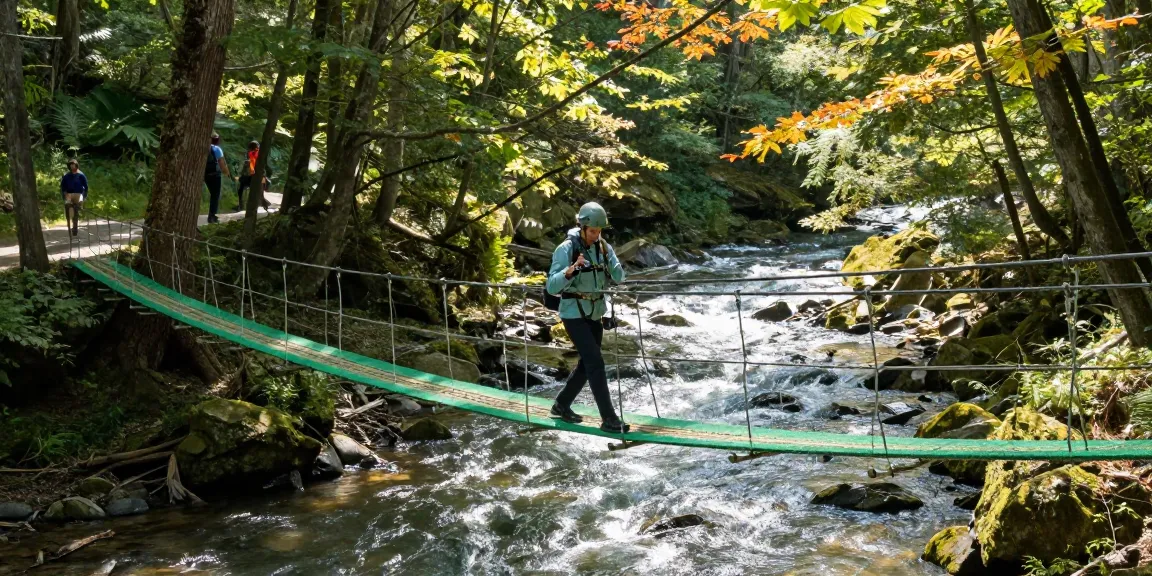
Understanding the River Rope Bridge: Design and Functionality
Rope bridges have captivated the imagination for centuries, bridging gaps not just physically but culturally and historically. A River Rope Bridge serves as a perfect example of human ingenuity, combining engineering prowess with the allure of nature. In this article, we’ll delve into the intricacies of river rope bridges, examining their designs, advantages, and the various contexts in which they thrive.
What is a River Rope Bridge?
A river rope bridge is a type of suspension bridge characterized by its construction using ropes, cables, or other flexible materials. These bridges are often employed in areas where traditional bridge construction is unfeasible due to environmental or logistical constraints. The design typically incorporates a series of cables or ropes anchored securely at both ends, allowing them to span across rivers or deep gorges. This type of bridge is particularly notable for its lightweight structure and ability to adapt to varying landscapes.
How River Rope Bridges Work: Engineering Basics
The engineering behind river rope bridges is fascinating. The primary forces at play include tension and compression. Rope bridges are designed to distribute weight evenly across their length, allowing them to withstand significant loads. Key components include:
- Cables or Ropes: The main structural elements that bear weight.
- Anchors: Secure points at either end to hold the cables in place.
- Decking: The walking surface, often made from wooden planks or mesh material.
When a person crosses the bridge, their weight causes the ropes to stretch slightly, distributing the load across the entire structure. This flexibility is crucial, especially in regions subject to heavy winds or seismic activity.
Key Benefits of Using River Rope Bridges
There are several advantages to using river rope bridges, particularly in remote or rugged areas:
- Lower Construction Costs: Compared to traditional bridges, rope bridges require fewer materials and can be built more quickly.
- Environmental Integration: Their minimal footprint means they disturb the natural environment less than conventional structures.
- Versatility: They can be used in various locations, from rural hiking trails to disaster relief zones.
Building Your Own River Rope Bridge: A Comprehensive Guide
For those looking to undertake the challenge of constructing a river rope bridge, having a clear plan and understanding the necessary materials is essential. This section will guide you through the essential aspects of building your own river rope bridge.
Essential Materials and Tools Needed
Before beginning construction, compile a list of required materials and tools:
- Materials:
- Tools:
Step-by-Step Process for Construction
The construction of a river rope bridge can be broken down into several critical steps:
- Site Selection: Choose a stable location where the banks can support the bridge.
- Design Planning: Draft a design that accommodates the span and expected load.
- Anchoring: Install anchors securely on both banks to hold the cables.
- Cable Installation: Attach the main cables and secondary supports according to design specifications.
- Decking: Lay down the decking material, ensuring it is secure and safe for users.
- Safety Checks: Conduct thorough inspections before allowing traffic on the bridge.
Safety Considerations When Building
Safety is paramount when constructing a river rope bridge. Here are some tips:
- Always wear safety gear during construction.
- Involve experienced individuals in the build process.
- Regularly inspect the structure for wear and potential failures.
Maintenance Tips for Your River Rope Bridge
Once your river rope bridge is constructed, ongoing maintenance is crucial for longevity and safety. This section emphasises the importance of regular upkeep.
Regular Checks: Key Areas to Inspect
Regular inspections can identify issues before they become significant problems. Focus on:
- Rope wear and fraying
- Decking stability and integrity
- Anchor security
Best Practices for Keeping Your Bridge Safe
To maintain the safety and functionality of your bridge, consider these best practices:
- Schedule inspections at least twice a year.
- Clean debris and vegetation from the bridge and surrounding area.
- Repair or replace damaged components immediately.
Common Repairs and Troubleshooting Techniques
Being prepared for common issues will save time and effort:
- Replace frayed ropes promptly to prevent accidents.
- Re-tighten loose cables that may compromise safety.
- Fix or replace damaged decking to ensure user safety.
Exploring the Best Locations for River Rope Bridges
Choosing the right location can enhance the experience of crossing a river rope bridge significantly. Here, we’ll explore ideal settings and notable examples of river rope bridges around the globe.
Top Natural Settings for Your River Rope Bridge
Consider these picturesque locations for building a river rope bridge:
- Mountainous regions with steep inclines
- Forests with ample tree cover for anchoring
- National parks known for scenic landscapes
Popular Destinations Featuring Iconic Rope Bridges
Several famous river rope bridges are celebrated for their stunning views and thrilling experiences:
- The Carrick-a-Rede Rope Bridge in Northern Ireland, famed for its breathtaking coastal views.
- The Qeswachaka Incan suspension bridge in Peru, a UNESCO World Heritage site.
- The Capilano Suspension Bridge in Canada, known for its height and surrounding forest.
Case Studies of Successful River Rope Bridge Projects
Examining successful projects can provide valuable lessons:
- The Olo’Kala Bridge: A community-led project in Hawaii that successfully promotes eco-tourism.
- YMCA's Adventure Bridge: Enhances outdoor activities for children and families in urban settings.
Future Trends in River Rope Bridges: What to Expect in 2026
As we move into 2026, several emerging trends in river rope bridge design and construction are worth noting. These innovations promise to enhance safety and sustainability.
Innovations in Design and Materials
Future bridges will likely incorporate advanced materials such as high-strength synthetic ropes that offer greater durability and resistance to environmental factors. Furthermore, designs are expected to prioritise aesthetic appeal alongside functionality.
Impact of Eco-Friendly Practices on Bridge Construction
As environmental awareness increases, more builders are focusing on sustainable practices. Minimising the ecological footprint during construction and using recycled materials will likely become standard.
Community Engagement in River Bridge Projects
Engaging local communities in the planning and construction phases can lead to bridges that better meet local needs and encourage stewardship of the area. Residents are often best positioned to provide insights into safe and effective locations.
What are those rope bridges called?
Rope bridges are often referred to as suspension or footbridges, depending on their design and specific use. Different cultures may have unique terms for these structures, reflecting their historical significance.
How much does a rope bridge cost?
The cost of constructing a river rope bridge can vary widely based on materials, location, and size, typically ranging from a few thousand to tens of thousands of pounds.
Where is the rope bridge located?
Many famous rope bridges, such as the Carrick-a-Rede in Northern Ireland, attract tourists from far and wide, highlighting their cultural and geographical significance.
How to cross a river with a rope?
Crossing a river using a rope involves securely anchoring the rope on both banks and using a harness to traverse the water safely. Proper training and safety gear are essential.
What are the safety measures for rope bridges?
Essential safety measures include regular inspections, weight limits, and ensuring the bridge is equipped with handrails and proper lighting for visibility.